
Which Exterior Cladding Option Best Matches Your Property Goals?
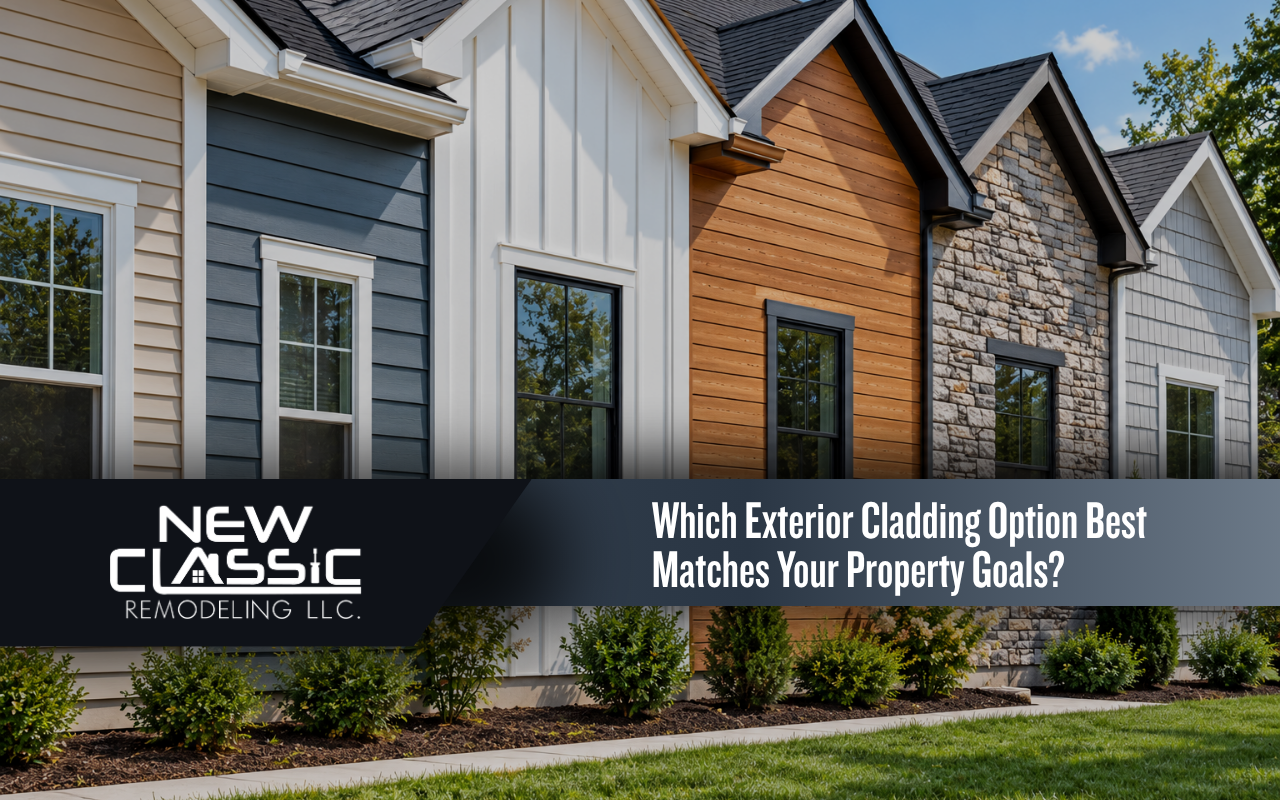
Exterior cladding affects weather protection, maintenance, curb appeal, and how often future repairs may be needed. Comparing siding materials by durability, moisture resistance, repairability, finish options, and long-term upkeep can make the decision more practical. Request your siding estimate when you want the existing wall conditions reviewed before selecting a new exterior system.
At New Classic Remodeling LLC, we bring 20+ years of excellence to exterior remodeling, with licensed and insured service, free estimates delivered in 24–48 hours, Fairfield County, CT local expertise, and 24/7 emergency support.
Start With What the Exterior Must Resist
Wind-driven rain, temperature swings, sun, impact, insects, and moisture all affect siding differently. The best choice depends on exposure, wall assembly, architectural style, and the amount of maintenance the homeowner is comfortable managing.
Use Maintenance Tolerance as a Selection Filter
Some homeowners prioritize low routine upkeep, while others value repair flexibility or a specific architectural appearance. That preference can narrow the options before color and texture are considered.
Inspect Existing Wall Conditions Before Comparing Products
Schedule your siding evaluation if the current exterior has soft sheathing, water stains, loose panels, warped sections, or repeated repairs. New cladding should not hide unresolved moisture or substrate problems.
Review our compare fiber cement siding guide for one common material option.
Use a Material Tradeoff Scorecard
| Material | Maintenance Demand | Impact Resistance | Moisture Consideration | Repairability | Best Fit When... |
|---|---|---|---|---|---|
| Vinyl | Low | Moderate | Wall drainage still matters | Individual sections can be replaced | Low upkeep is a priority |
| Fiber cement | Moderate | Strong | Proper clearances are important | Damaged boards can be replaced | Durability and appearance matter |
| Metal | Low to moderate | Varies by profile | Detailing controls water entry | Panel replacement depends on system | Clean lines and durability are desired |
| Engineered wood | Moderate | Strong | Edge and finish protection matter | Localized replacement possible | Wood-like appearance is preferred |
Use Repairability to Think Beyond Initial Installation
A material that performs well but is difficult to match or replace later may create future challenges. Ask how damaged sections are repaired and whether colors, profiles, or finishes remain available over time.
Separate Surface Finish From Wall Protection
Paint, color, and texture affect appearance, but water management depends on flashing, housewrap, penetrations, clearances, and drainage behind the cladding.
Diagnostic Tip: If moisture staining or rot is present, identify the water path before choosing a replacement material.
Use Sun Exposure to Compare Fading and Finish Needs
South- and west-facing walls can age differently from shaded elevations. Color choice, coating type, and maintenance schedule should reflect actual site exposure.
Compare How Materials Handle Impact
Hail, ladders, yard equipment, branches, and everyday contact can dent, crack, or break different products in different ways. Ask how visible damage is repaired and whether panels or boards can be replaced selectively.
Use Architectural Style to Narrow the Final Choices
Traditional lap, vertical panels, board-and-batten, shake profiles, and metal panels create different visual effects. Material choice should support the house style rather than fight it.
Compare Vinyl and Fiber Cement With Real Maintenance Expectations
Use our review vinyl siding benefits resource to compare another common option before making a final decision.
Ask What the Installation Scope Includes
Our team at New Classic Remodeling LLC can explain removal, sheathing review, weather barrier work, flashing, trim, caulking, cleanup, and finish details so homeowners can compare complete scopes instead of material price alone.
For local siding support, visit our explore Greenwich siding services page.
Use a Three-Layer Exterior Decision
Think about siding in three layers: visible cladding, water-management layer, and substrate. A product can perform well only when all three work together. This approach prevents homeowners from choosing solely by color, texture, or advertised durability.
Ask How Each Material Fails
Vinyl can crack or distort, fiber cement can chip or absorb moisture at poorly detailed edges, and metal can dent or show coating damage. Understanding failure modes helps owners compare realistic maintenance and repair needs.
Use a Replacement Planning Worksheet
- Which elevations receive the most weather?
- Where has moisture entered before?
- Which profiles are easiest to match later?
- How much maintenance is acceptable?
- Will windows, trim, or gutters be replaced too?
Compare Whole-Wall Value, Not Product Price
Labor, removal, sheathing repair, weather barrier, flashing, trim, and finish work can change total project value. The lowest material price does not automatically create the lowest installed cost or the best long-term result.
Use Window and Door Details to Judge the Installation Plan
Openings are where siding, trim, flashing, and water management meet. Ask how head flashing, sill drainage, side transitions, and sealants will work together before the old cladding is removed.
Good detailing should direct water outward rather than depending on surface caulk as the primary defense.
Plan Trim and Accessory Colors With the Main Cladding
Corner boards, soffits, fascia, window trim, shutters, and gutters can change how a siding color looks once installed. Reviewing the full exterior palette can prevent a material choice that looks good in a sample but conflicts with the finished house.
Use Future Repair Access as a Design Consideration
Meter boxes, hose bibs, vents, and exterior fixtures may need service later. A well-planned installation should allow future access without forcing unnecessary damage to surrounding cladding.
Choose the Exterior System, Not Just the Panel
The best siding materials match the property’s weather exposure, wall condition, maintenance goals, repair needs, and architectural style. Book your siding evaluation with New Classic Remodeling LLC for a clear material comparison and free estimate.
Request Your Free Estimate